

Build a website around how your team works.
Our custom website service addresses requirements that standard pages cannot fully cover. Bravely maps users, processes, and data before proposing a web experience suited to your business and operational readiness.
FROM BUSINESS NEEDS TO DELIVERABLES
What do you want to achieve?
- Customer or partner portals
- Team workflows and approvals
- Business system integrations
Make the process clearer
Map stages, responsibilities, and information exchanges so website functions have an operational foundation.
Match access to responsibilities
Plan customer, staff, and administrator needs separately to give each group a relevant journey.
Give development clear priorities
Start with essential processes and plan extensions around requirements your team has reviewed.
CHOOSE THE FEATURES YOU NEED
Built around the way your business works.
Custom Website & Web Application Development brings design, content and workflows together. We choose the priorities with you.
FEATURE ILLUSTRATION · INTERFACE CONCEPT
Data for the business workflow
Roles and approvals
Information for follow-up
Example: input data follows the mapped operational requirements.
Process and requirement mapping
Understand the work before defining features.
We review current steps, obstacles, users, and sample data. The findings define features, project boundaries, and the criteria for reviewing the workflow.
Portals and user areas
Plan the experience for each user group.
Customer, partner, or staff areas can offer different information and actions. Registration, account management, and access are designed around your business policies.
Forms and approval stages
Carry context through the process.
Fields, validation, statuses, and task handoffs follow the process. We define required information, reviewers, and how incomplete or unsuitable requests are handled.
Planned integrations
Assess connections before committing to automation.
Connections to CRM, ERP, payment, or other services depend on documentation, access, and provider terms. Feasibility and data responsibilities are reviewed before integration is scoped.
Access controls and records
Define who can view and change data.
Access restrictions, activity records, and information handling are considered early. The design follows data sensitivity and business needs; specialized compliance requires its own review.
Workflow and exception testing
Test real usage before launch.
Testing covers normal journeys and cases such as missing data, unsuitable access, or service connection failures. Agreed acceptance criteria help your team review real tasks.
CLEAR DELIVERABLES
What you receive when your website is ready.
Functional scope document
A shared reference for users, processes, functions, and project boundaries.
Workflow and interface designs
Screens and step-by-step journeys for review before development.
Agreed web functionality
Implemented features and scoped connections, with the relevant access settings.
Acceptance test scenarios
Tasks and conditions your team can use to review the outcome against business requirements.
Documentation and handover
Agreed access, configuration notes, and operating guidance in the handover scope.
WEBSITE WORK
Information journeys in our website work.
Explore the documented design and scope of work in each case study.
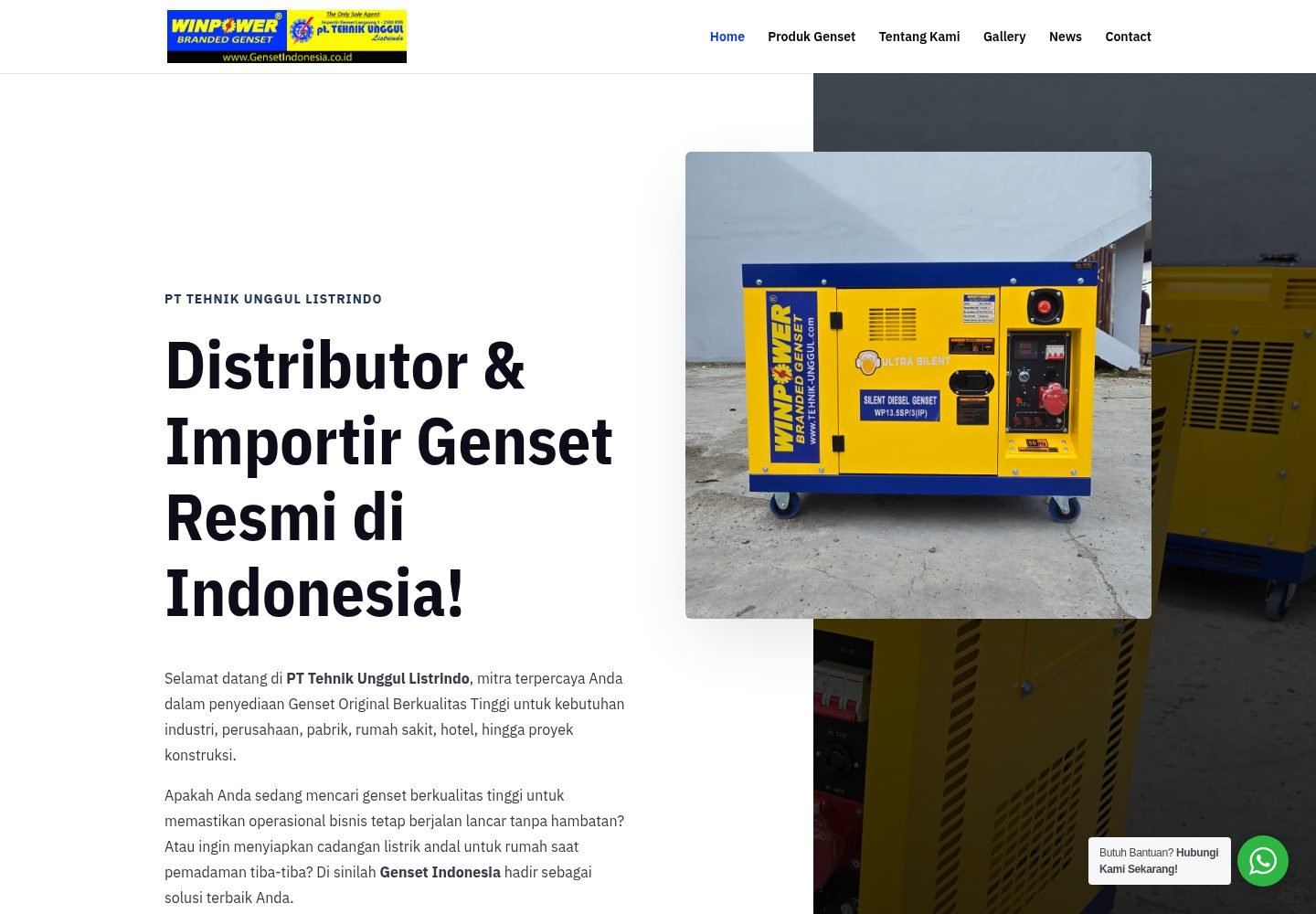
Genset Indonesia
Website work by Bravely Project
Read the case study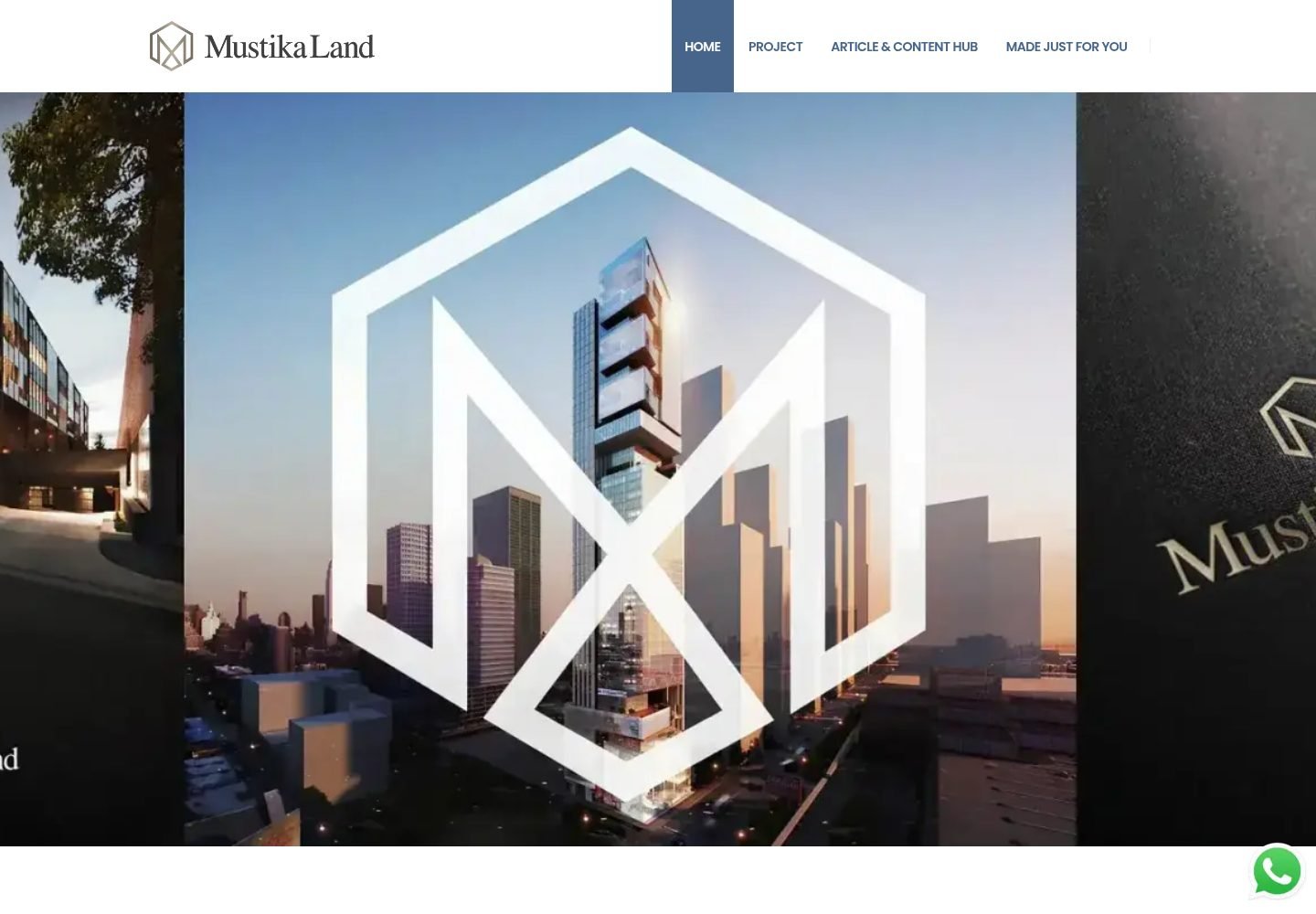
Mustika Land
Website work by Bravely Project
Read the case studyA PROCESS YOU CAN FOLLOW
From the initial idea to a working website.
Understand the work to support
We discuss the process, decision owners, sample documents, and existing systems.
Review the proposed workflow
A prototype clarifies user responsibilities, essential steps, and exceptions to handle.
Build around priorities
Development follows agreed functions, including integrations once access and requirements are ready.
Validate with the people using it
Your team reviews acceptance scenarios before launch, documentation, and handover.
ALIGN YOUR REQUIREMENTS AND BUDGET
Start with the right priorities.
We agree on design, page count, functionality, content, integrations and post-launch support before development starts.
Address the core process
Start with one essential workflow with clear users, data, and outcomes.
Expand roles and functions
Add user areas, process stages, or reporting around the next operational priorities.
Connect the systems
Assess integrations and automation once documentation, access, and responsibilities are available.
BRAVELY'S COMMITMENT
Aligned with your brief and agreed direction.
Our 100% client satisfaction commitment follows the agreed brief, scope, review stages and revision terms. We discuss your design and functionality requirements to align the work with your needs and budget.
BEFORE WE START
Questions we often discuss.
When does a business need a custom website?
When the central requirement involves processes, roles, or data exchanges that standard pages cannot adequately support. We still assess whether standard functionality could meet the need first.
Can the website connect to our existing systems?
We can assess documented connections using your authorized access. Providers may restrict features or apply their own charges, so feasibility is reviewed before committing to an integration.
Do all features need to be built at once?
Not necessarily. We can prioritize the core workflow and plan later stages, letting your team learn from real use before adding unnecessary complexity.
Who defines the process rules and data?
Your business defines policies, decision owners, and legitimate data sources. Bravely translates these into web journeys and functions, identifying decisions that need clarification before development.
How do we check the result against our needs?
We agree functions, usage examples, and acceptance criteria early. Designated users review the work during testing; new requirements after agreement may need a scope adjustment.
Are maintenance and third-party services included?
Support, hosting, licensing, and third-party services are specified in the proposal. Monitoring and update responsibilities are discussed so post-launch operations are clear.
OTHER WEBSITE OPTIONS
Find the approach that fits best.


START WITH YOUR BUSINESS
Ready to discuss the website you have in mind?
Bring the workflow you want to improve and the functions your team needs. Let’s shape a custom website around your users, expected work outcomes, and an agreed budget.