
Corporate websites for a bigger business picture.
Bravely’s corporate website service helps organise group, service, unit or location information within a shared identity. Prospective clients, partners, applicants and internal teams gain a clear reference for how the organisation fits together.
FROM BUSINESS NEEDS TO DELIVERABLES
What do you want to achieve?
- Groups with multiple business units
- Companies with several service areas
- Information and communication hubs
Information with a clear structure
Visitors can understand how the company, business units, services and supporting resources fit together.
One consistent identity
Consistent design patterns help every page feel part of the same organisation.
More organised updates
Content responsibilities can follow team roles and the company’s approval process.
CHOOSE THE FEATURES YOU NEED
Built around the way your business works.
Corporate Website Development brings design, content and workflows together. We choose the priorities with you.
FEATURE ILLUSTRATION · INTERFACE CONCEPT
One identity. Clear information.
Organize company information for different audiences to explore.
Profile and business direction
Services and capabilities
News and documents
Example: company information follows a consistent structure.
Group and business-unit structure
Explain the organisation without overwhelming visitors.
We map group, unit, service and location pages around readers’ needs. Menus, search and cross-links help prevent important information from disappearing inside the company structure.
A shared visual system
Stay consistent across different types of content.
Page components, typography, colours and photography are planned as a shared system. Business units can have individual emphasis while remaining clearly connected to the parent identity.
Content management and editor roles
Define who updates and who reviews.
The CMS and editor access follow your working structure. Approval stages, scheduling or change history are assessed against the chosen platform and agreed development scope.
A company information hub
Organise publications around stakeholder needs.
Company news, documents, careers, projects or investor information can have dedicated categories. Your company supplies and approves the material that may be made public.
A multilingual structure
Help readers find the appropriate language version.
Language options can follow an agreed page structure. We define responsibility for translation and updates so important information does not fall behind when one version changes.
Connections to company systems
Plan functionality around real business processes.
Forms, CRM connections, recruitment systems or separate portals can be considered once requirements are clear. Connections depend on APIs, access permissions, security review and provider terms.
CLEAR DELIVERABLES
What you receive when your website is ready.
Sitemap and content responsibilities
A page list and content owners help different business units coordinate from the outset.
A page design system
Shared visual patterns guide development and the agreed content additions.
A CMS that fits the team
Management sections and editor roles are mapped to the functionality you choose.
User acceptance scenarios
Your team reviews navigation, documents, access and forms through practical working scenarios.
Documentation and handover
Access, update guidance and ongoing service requirements are explained at handover.
WEBSITE WORK
Explore Bravely's website work.
Explore the documented design and scope of work in each case study.
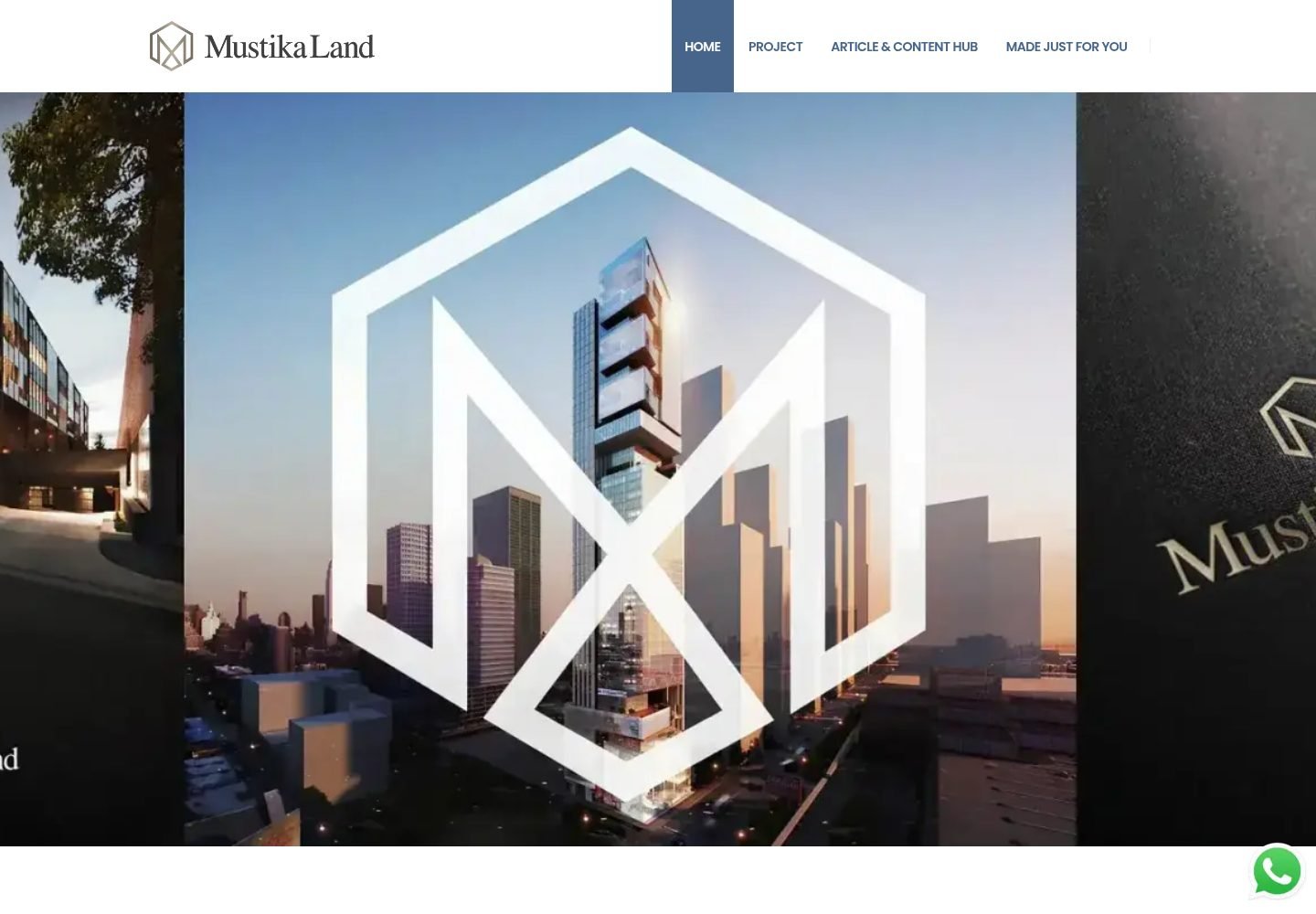
Mustika Land
Website work by Bravely Project
Read the case study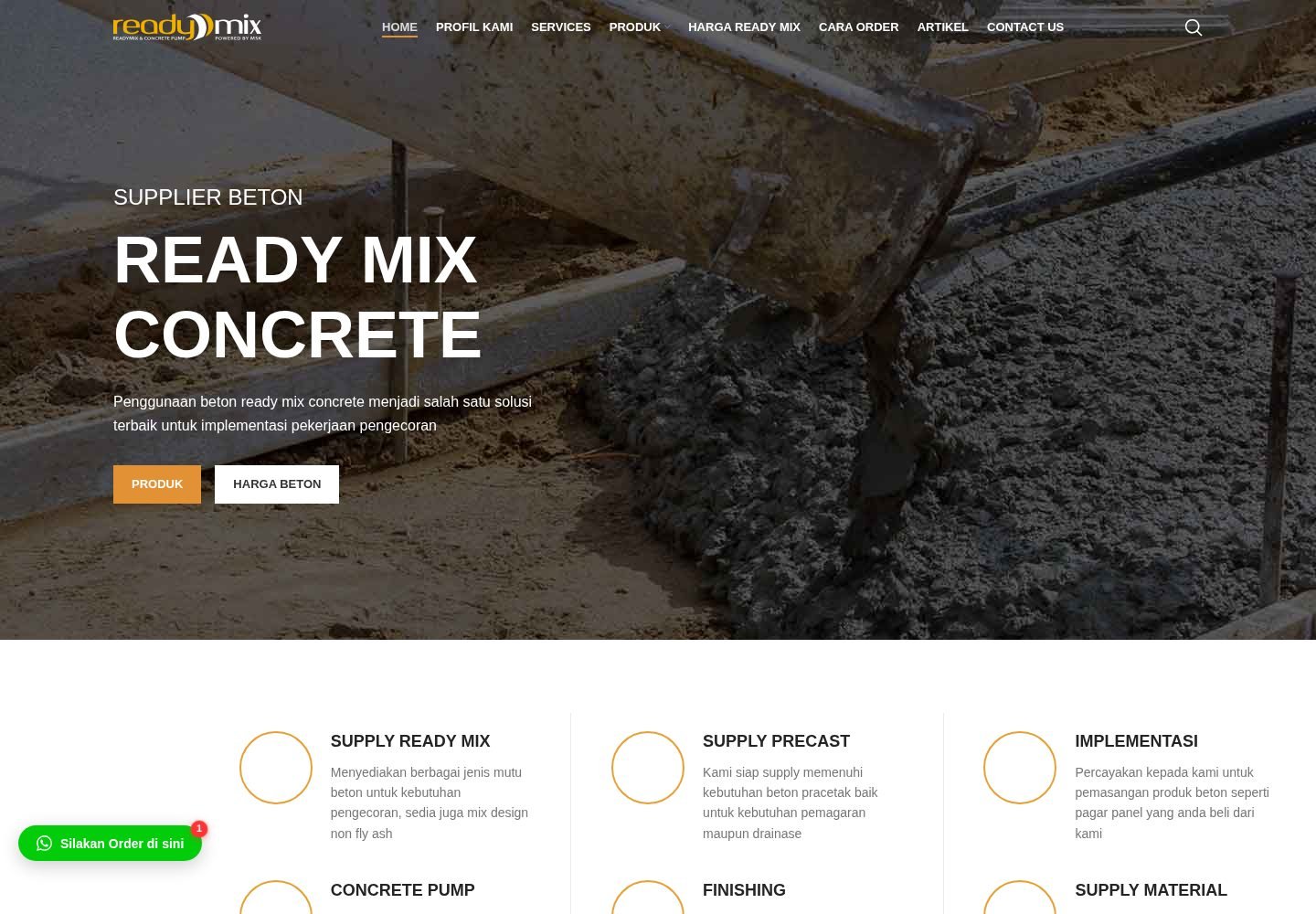
Readymix
Website work by Bravely Project
Read the case studyA PROCESS YOU CAN FOLLOW
From the initial idea to a working website.
Align the requirements
Bring brand, content and system owners together to define priorities and project boundaries.
Review the structure and design
Review information journeys and representative pages before developing the full site.
Build and connect
Implementation follows the agreed design and the system access available to the project.
Review with your teams
We check usage scenarios, resolve review findings and agree readiness for launch.
ALIGN YOUR REQUIREMENTS AND BUDGET
Start with the right priorities.
We agree on design, page count, functionality, content, integrations and post-launch support before development starts.
Corporate foundations
Prioritise company identity, business units, services and contact routes before adding more complex functionality.
Publishing hub and languages
Add news, documents, careers and language structures around your content team’s capacity and readers’ needs.
A website with integrations
Plan connections to other systems through a joint review of requirements, access and architecture.
BRAVELY'S COMMITMENT
Aligned with your brief and agreed direction.
Our 100% client satisfaction commitment follows the agreed brief, scope, review stages and revision terms. We discuss your design and functionality requirements to align the work with your needs and budget.
BEFORE WE START
Questions we often discuss.
How does this differ from a company profile?
A company profile usually focuses on introducing the business and its services. A corporate website can cover business-unit structures, several content owners and broader publishing requirements.
Can the site support a listed company?
Investor information and publications can be structured around your needs. The company determines and reviews its disclosure obligations; the website presents the material it approves.
Does every business unit need a separate website?
Not necessarily. We assess brand relationships, audiences, management needs and company priorities before choosing pages within one website or a separate-site approach.
What if several teams need to approve content?
Content owners and review stages are agreed at the start. CMS approval workflows are scoped specifically, including who may edit or publish material.
Can existing pages and documents be migrated?
Migration can be planned after reviewing content, access and important URLs. Content volume, document formats and redirects form part of the agreed migration scope.
How do we define scope and budget?
Start with company goals, audiences and the most important functions. We define priorities and development phases, distinguishing content, integrations and ongoing services.
OTHER WEBSITE OPTIONS
Find the approach that fits best.



START WITH YOUR BUSINESS
Ready to discuss the website you have in mind?
Bring your company structure, audience needs and the systems you want to connect. Let’s map a corporate website that fits your current requirements and development stages.