
INSIGHTS / BRAVELY PROJECT
Hotel Website: Supports Direct Reservations in Addition to OTA
READ WHAT MATTERS TO YOU
Where would you like to start?
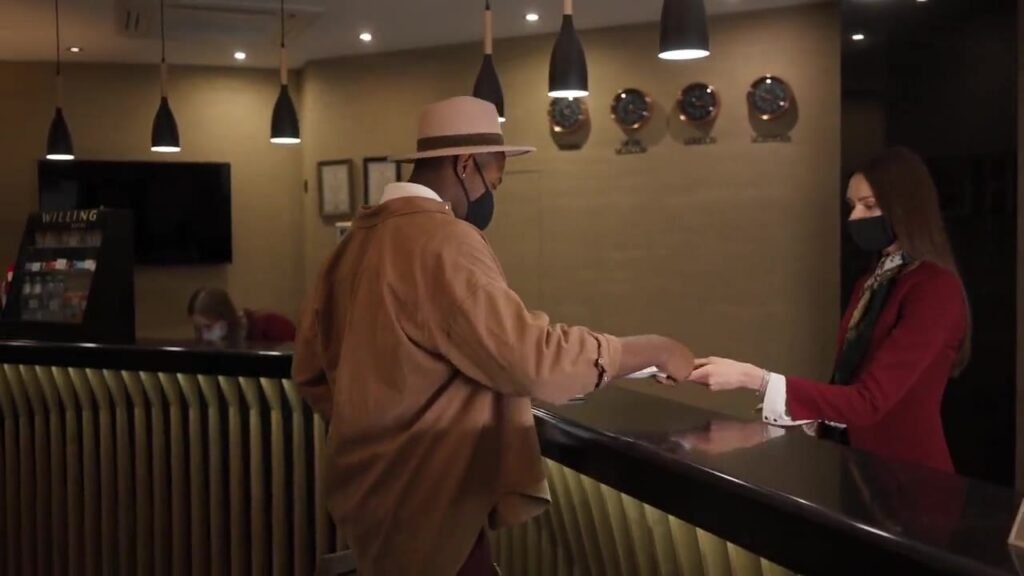
Direct reservation hotel websites need to provide practical reasons for guests to understand the rooms, conditions and steps to book through property channels. The existence of a website does not automatically move transactions from OTA or guarantee increased occupancy. Its role can complement other channels with official information that is easy to check and response channels that match the hotel system. To judge it, don't start from the number of photos or the display effect. Follow the journey of someone who wants to confirm room type, location, cost and how to get confirmation. The following guide helps marketing teams, reservations, and website managers organize information and functions based on these needs.
Map the role of channels in a potential guest's journey: direct reservation hotel websites
One can get to know a hotel through OTA, recommendations, search, or advertisements, then go to the website to check for more information. There are also visitors who immediately search for the name of the property because they have stayed there. Note each individual's needs without assuming everyone wants to follow the same path. The website can be a reference for facilities and policies, while the booking channel follows guest preferences and hotel processes. Don't design an experience based solely on the hope that all visitors will abandon other channels and make transactions directly through your page.
As a hypothetical example, a corporate booker wishes to inquire about several rooms during a certain work period. Public information and corporate inquiry channels can help, although hotels also have booking engines for individuals. Family visitors may need capacity clarification before viewing dates. Start with that task, then determine the pages and actions required. The role of a website becomes clearer when it is linked to real needs, not just adding a reservation button to the gallery without thinking about the information that guests need to know before pressing the button.
Describe the room category through consistent details
Each category should have a name, photo, sleeping arrangements, capacity, and facilities that have been checked by the hotel. Do not combine galleries of several categories without labels because visitors may think that all facilities are available in the room being selected. Size or view descriptions follow confirmed data; variations within a category need to have context. Additional guest information and special needs are directed to the applicable provisions, not automatically inferred from room size or photos that appear large enough for more occupants.
Make comparisons that help decisions. As a hypothetical example, the two categories differ in sleeping arrangements and work areas, so these are displayed before the same list of amenities. Don't force guests to open multiple sections just to find key differences. Use consistent terms between the room page and the reservation system so that options don't appear to change after users switch channels. If the category names in the old system are different, discuss adjustments with the hotel rather than creating your own equivalencies that have not been confirmed by the reservations team.
The suitability of advertising offers to landing pages is discussed in Optimize your ads and landing pages from Google Ads Help. Apply the principles according to your data and business operational flow.
Explain the policies and cost components of hotel sources
Check-in, check-out, cancellation and change information follows the policies that actually apply. If terms vary by offer or period, the page needs to help visitors know when to read additional details. Do not display summaries that conflict with the booking system. Likewise components of breakfast, parking or other services: clarify their relationship to the relevant reservation category and type. The term facilities available does not always mean that all their use is included in all stay offers that guests can choose.
As a hypothetical example, the price displayed is a reference for a specific type of offer and still has conditions that must be read. That context needs to be near the pricing information, not just on a separate page that's hard to find. If the hotel does not yet have a reliable source of updates, discussing an inquiry route may be more appropriate than displaying old numbers. Direct reservation hotel websites need to maintain information conformity; a display that looks convincing doesn't help if guests encounter different details when asking for confirmation or completing the next step.
Connect locations to relevant travel needs
Addresses, map points, entry directions, and regional context need to be checked from the property data. Travel destination information can help business guests, families, or event attendees assess locations, but don't pile on names of places whose connections are unclear. If you include an access estimate, contextualize it according to the source and avoid making it a certainty for all conditions. A picture of the entrance area or parking instructions can be more useful to potential guests than a long paragraph about strategic locations with no information they can use to plan their arrival.
Also check the different access according to travel mode. As a hypothetical example, a guest comes from the station and wants to know the options for getting to the property, while a family using their own vehicle needs parking information. The material explains the services actually available and what needs to be confirmed. Don't assume all transfers include overnight stays. Link locations with need categories, such as work trips or hotel events, so visitors can find relevant information without repeating searches on other pages that may not necessarily have the most up-to-date versions of addresses or policies.
Select the reservation path according to the available data source
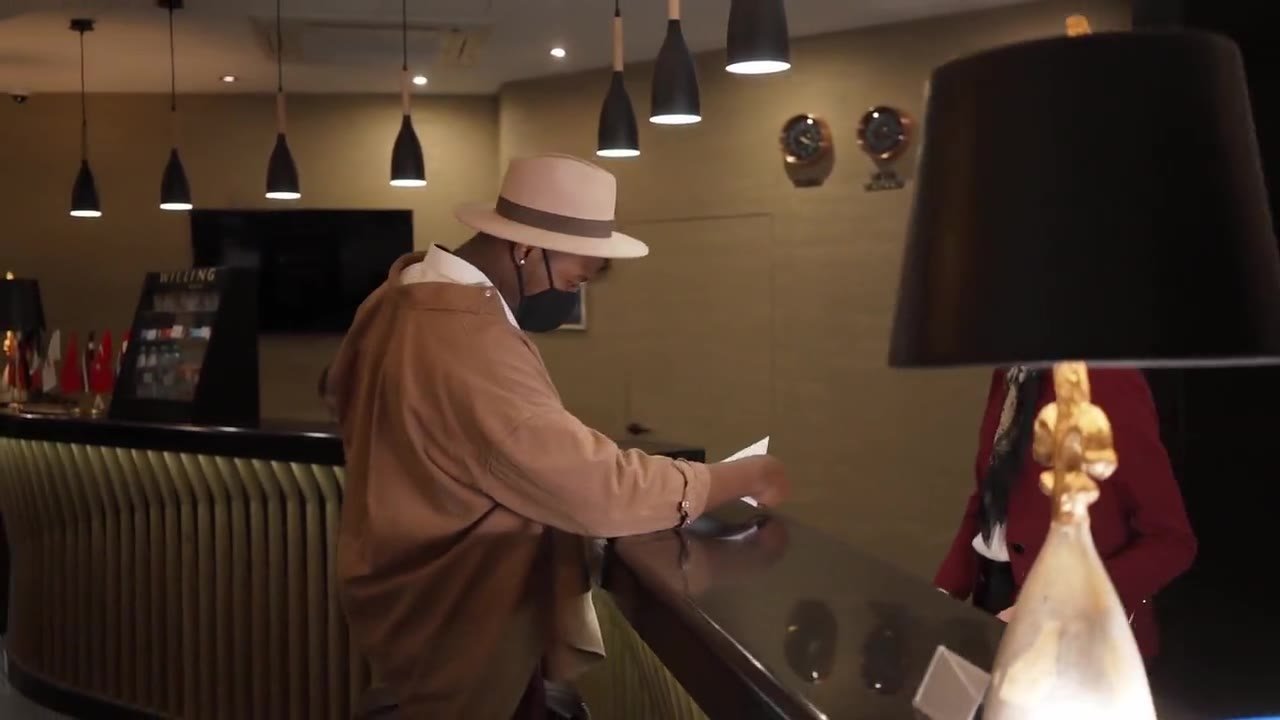
Hotels can use booking engines, request forms, telephone, or WhatsApp with different processes. Determine the action that actually occurs after the button is activated. Booking engines require sufficient date selection and availability data; The inquiry form requires a recipient as well as a confirmation mechanism. Don't create a calendar that's directly visible if the status isn't connected or managed. Functional decisions follow the hotel's systems and available access, not the desire to imitate the appearance of other properties that may use different inventory sources and procedures.
Test channel switching until the requirements are carried over. As a hypothetical example, a visitor selects a room category on the website and then opens a request via WhatsApp. The initial message may include categories and dates, but an opening draft is not yet the same as a room confirmation. Explain these boundaries in language that is easy to understand. For other booking engines, check that users see the right properties and categories after switching. Avoid paths that remove choices without explanation and make guests go back to filling in all the requirements they just selected.
The applicability of the display to different screen sizes can be checked via Responsive web design from MDN Web Docs. Apply the principles according to your data and business operational flow.
Keep information consistent when using multiple languages
Pages in different languages need to refer to the same facts and terms. Translations should not expand the meaning of services or omit important terms just to make sentences feel more concise. Define the primary source as well as the update flow when policies change. Category names, facility components, and button actions must remain recognizable after users switch languages or ordering systems. If a page is not yet available in a particular language, address that clearly rather than displaying a blank page or different content that makes visitors think the offering is not the same.
As a hypothetical example, the breakfast description is updated on the Indonesian page but other language versions still show the old components. The problem is not solved just by checking grammar. List the areas of information that must be the same and the parties that approve the translation. The use of tools still requires a review of the context, especially for policies and transaction terms. Consistent information helps with reservations because guests can refer to pages in the language of their choice without coming to different conclusions about the amenities or conditions applicable to the room offer.
Test photos, mobile speed, and button behavior
Room photos need to be clear enough to explain the offer, but the file size and number of assets should follow the page requirements. Prioritize images that differentiate categories and annotate them accordingly. Important texts such as capacities and policies should not only be on posters. Check the phone with different screen sizes, including when the menu is open or the keyboard is displayed. Floating buttons should not cover fields or conditions that users need to read before sending a request or moving to the booking system used by the property.
Create test data for dates, room selections, and requirements notes without sending unnecessary real reservations. As a hypothetical example, a user returns from a booking channel and needs to refine a selection; check that the page is still comprehensible as well as that the back button is working. Test images fail to load, validate fields, and access via keyboard according to technical implementation. Display success is not enough if the main line stops at one device. Record test results based on actually visible actions and behavior, not just design screenshots.
The principles of image context, captions and presentation are explained in Google image SEO best practices from Google Search Central. Apply the principles according to your data and business operational flow.
Evaluate questions and barriers with reservations
Separate website interactions, requests received, confirmed reservations, and actual stays according to available data. Each stage has a different meaning. If the system does not yet allow direct connections, explain the reporting limits rather than giving the impression that all clicks have become transactions. The reservations team's input on frequently asked categories, periods or needs can help assess the suitability of the offer. Direct reservation hotel website reports should support a discussion of barriers, not be a list of numbers unrelated to the day-to-day request handling process.
Use repeated questions to determine improvements. If many guests ask about child capacity, review the room details and related conditions. If a prospective order is disconnected after entering the booking engine, check the suitability of the choices and the next steps. If company inquiry goes into individual channels, clarify the separation of needs. Once the information and flow are clear enough, the discussion of SEO and the campaign can be more focused. There are no guarantees of specific channel moves or occupancy; Decisions are influenced by offers, availability, guest needs, and hotel processes beyond the website itself.
Hypothetical example: maintaining context when going to a reservation system
Imagine a family selecting a room category and dates on a website, then being directed to a separate reservation system. Here's a hypothetical example for flow testing. Check whether the category, date and number of guests displayed still match the initial selection. If the information cannot be forwarded automatically, explain the next steps so that the user does not think that all their choices are already stored on the destination system.
Ask the reservation team to check the results using scenarios of child needs or sleeping arrangements that require confirmation according to hotel policy. The aim is to ensure capacity information and rules can be found before the decision, not to establish new staying rules through website design. When a room's appearance differs from the offerings in the destination system, note the sections that need to be aligned along with the owner of the update.
Distinguish integration problems from information deficiencies. Changing the button color does not restore the lost date, while adding photos does not explain the cost components. Prioritize actions based on discovered breaking points and repeat the journey after fixes. This test helps assess the usability of the reservation path without concluding that every move to the booking engine necessarily ends in a booking.
Discuss how it applies to your business
Audit one room category from the search page to the confirmation channel. Match photos, capacity, conditions, address and button behavior with official hotel information. Note data that cannot yet be linked so that the scope of integration is discussed honestly. From there, teams can select design, content, SEO, or campaign priorities that are most relevant to current in-person reservation barriers, while still considering the role of other channels in the potential guest journey.
Bravely can help organize business website, plan SEO, and managing digital advertising based on information readiness and your team's response path. Scope discussions follow needs, without promises of specific rankings, leads, or sales.
Related implementations are available at Business Hotels, Resorts, Guest Houses, Serviced Apartments.
Related reading: Bilingual Websites: Content, Navigation, and Management; Core Web Vitals in Website Projects: Who Does What?; SEO Multilingual Websites: Maintaining Consistent Content Versioning; Villa Website: Capacity, Rules and Availability Dates.
Practical questions before you start
Will the website definitely reduce dependence on OTA?
There is no such guarantee. Websites can be a reference for information and direct channels, while guest decisions and booking composition are influenced by many factors.
Do all hotels need a new booking engine?
No. Review available systems, access integrations, and confirmation processes. Inquiry pathways can be better suited to specific needs if they are clearly explained.
Is a reservation click the same as a transaction?
No. Click, request, confirmation and actual stay are different stages. Measurements need to follow events and data sources that can be examined.
Does multiple language content need to be updated together?
Yes, especially the room facts and conditions. Determine the source and person in charge so that the translation is not left behind or gives a different meaning to the hotel offer.
In this article
- Map the role of channels in a potential guest's journey: direct reservation hotel websites
- Describe the room category through consistent details
- Explain the policies and cost components of hotel sources
- Connect locations to relevant travel needs
- Select the reservation path according to the available data source
- Keep information consistent when using multiple languages
- Test photos, mobile speed, and button behavior
- Evaluate questions and barriers with reservations
- Discuss how it applies to your business
- References
- Practical questions before you start