
INSIGHTS / BRAVELY PROJECT
Fashion Product Page: Sizes, Materials and Returns
READ WHAT MATTERS TO YOU
Where would you like to start?

Fashion product pages need to help buyers understand sizes, materials, variations, and transaction terms before selecting items. Campaign photos can build interest, but they don't answer how the product is measured, what's different between variants, or how the returns procedure works. When these details are unclear, repeated questions and inappropriate choices can appear even if the visitor is interested. This guide discusses compiling information from actually available product data, with illustrative examples that need to be adapted by brand owners. The aim is to improve the quality of decisions and shopping experiences, without promising to increase sales or assuming all products have the same characteristics.
Use a consistent variation structure: fashion product pages
Determine the relationship between model, color, size, and stock identity before making a selection on the page. An attractive product name still requires a clear data structure so that buyers understand the variant they are looking at. Do not use different terms for the same size in catalogs and details. Photos, prices and availability need to follow the correct choices, not still display the initial variant when the user has changed it. If categories have different sizing systems, explain them based on product data rather than forcing all collections to use a format that doesn't actually suit the condition of the item.
As a hypothetical example, one model has several colors with different photos. The choice of color should update the visual context or explain if the photo you see is an illustration of another variant. Unavailable sizes need to have a clear status, not a button that appears active but is only rejected at the end of the process. Variant identity also helps admin when buyers ask questions. Managers need to know whether the question refers to a general model or a specific color and size combination, so that the answer is not mixed up with stock or other product requirements.
Create a size guide with measurement methods
Size charts require information about what is being measured and how to read it. Differentiate the product size from the body size if both are used. Include unit and tolerance information only from official brand data. Don't infer personal fit from the size tag or assume every model has the same cut. Simple diagrams can help show measurement points, but important information still needs to be readable as text. If explanations are not available, ask the product team to prepare them rather than copying tables from other brands that may have different standards and patterns.
As a hypothetical example, a shopper compares the size of clothing they already own with product details. It requires clarity as to whether the numbers indicate the spread width or the circumference. Write terms that can be understood and test them on people who are not familiar with the product. Photo model descriptions can be displayed if they are factual and approved, but are not used as a guarantee of suitability for all buyers. Fashion product pages help provide a point of comparison; Size decisions still require reading product information and individual needs that cannot be concluded automatically from one photo.
Variant photo context, image naming, and alternative text can be checked via Google image SEO best practices from Google Search Central. For fashion products, use the principle that visuals help recognize the item and the details being described, with a file size that follows the page requirements.
Describe materials, cuts, and care in concrete terms
Use the composition and characteristics of a product source that can be confirmed. The terms soft, bold, or fall may be helpful if given reasonable context, but should not replace available material information. Cut, closure details, length, lining, and other important elements should be described according to the item category. Don't add claims of durability or untested benefits just to make the description more persuasive. Readers need information that helps envision use, not a list of adjectives that can be applied to an entire collection without distinguishing between products.
Care instructions follow the brand's official label or guidelines. As a hypothetical example, a product requires certain steps that are different from other collections; The information needs to be easy to find near the material details. Don't make up washing methods or conclude that materials can be treated the same just from their common names. If a color variation has a confirmed special description, link it to the corresponding variant. Managers can compile a list of mandatory data fields so that new descriptions remain complete without copying sentences from old products that do not necessarily have the same characteristics.
Choose photos that explain the shape and details of the item
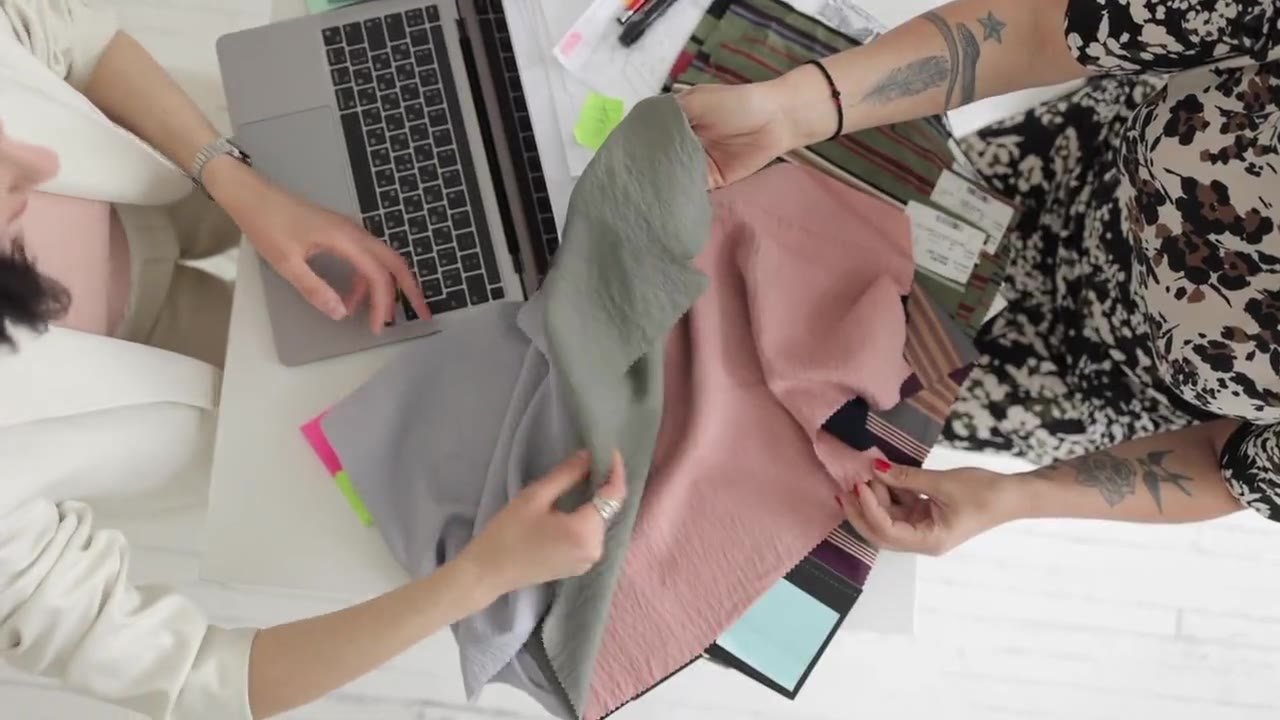
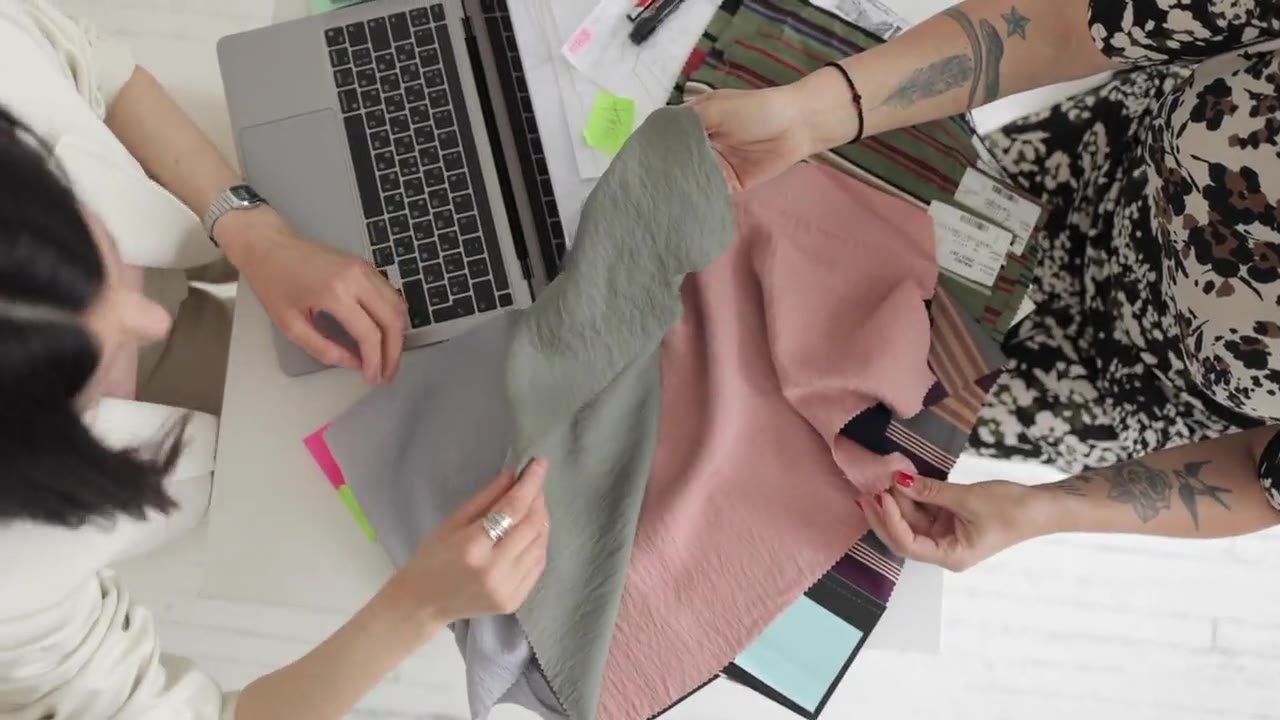
Prepare overall photos, relevant details, and angles that help buyers recognize the cut or structure of the product. Assets need to have appropriate use rights and display goods. Color editing should not make the product's character more difficult to understand. If appearance may vary by screen, reasonable captions may help, but are no excuse for allowing photos to represent different colors without labels. Organize the visual sequence from introduction to detail, so users don't have to scroll through multiple campaign images before finding the part they need to evaluate the item.
As a hypothetical example, pocket details, texture, or closure would be key product differentiators. Close-up photos and short captions can be more useful than repeating several nearly identical poses. Alt text explains the relevant content of the image in a natural way, rather than piling on promotional words. Sizing and care information remains outside the image for easy reading and updating. Also check for variant changes: detailed images should not lead buyers to think that elements from other collections are included in the product being selected on the page.
Make sure stock, price and delivery have context
The stock source and price need to be clear so that the page follows the variant selection. If the website is connected to another system, discuss how updates and failure conditions are handled. If manual management, appoint officers and update rules. Do not display always live status if the data source does not support it. Price components and promotions follow the official offer, with conditions that are easy to find. Visitors should know what they are selecting before continuing, rather than just seeing important differences when entering their cart or asking for availability via admin.
Delivery information needs to match the store processes and areas served. As a hypothetical example, a buyer wants to know whether a product is available or waiting for a certain process before it can be shipped. Clear labels help with planning, while time estimates shouldn't be turned into guarantees the store doesn't have. Explain how to check details at the transaction stage according to the system. If a number or option cannot be determined before the address is known, provide a reasonable next step rather than presenting the example as if it applies to all orders and shipping destinations.
Testing size and color selectors on various screen widths can be referred to Responsive web design from MDN Web Docs. Use these guidelines when examining controls, galleries, and tables so that mobile users can still assess the information without losing the context of the selected variant.
Explain the returns policy that actually applies
The return policy must come from the brand's official provisions and the processes carried out. Explain the categories that can be asked, condition of goods, stages of application, and exceptions if relevant without adding conditions from the author's assumptions. Use user-readable language and link details in easy-to-find positions before the transaction. Don't write a free return if there are important conditions that are not explained. The summary page and complete conditions need to be consistent so that the admin does not have to provide a different version when the buyer contacts after receiving the goods.
As a hypothetical example, a buyer selected the wrong variety and wants to know how to ask a question. The page explains the channels and transaction data required according to shop procedures, rather than promising that all applications will be automatically accepted. Make sure that specific product terms are not confused with general policies. When rules change, check the product page, help section, and messaging admins use. Information visibility does not replace policy review by the business owner, but helps buyers understand the process and applicable limits without having to rely on snippets of conversation or old posts.
Test selection of variations on mobile
Test from the product page to the next step with variations available, unavailable, and changing options. Names of sizes and colors need to be clearly visible, including via the keyboard according to technical implementation. Don't rely on visual color as the only label. Action buttons should explain the need to select a variant if it is incomplete, without removing other options when an error occurs. Check small screens, text zooms, and gallery behavior so that size guides don't obscure controls or cause users to lose context of the item being considered.
As a hypothetical example, a shopper opens the size chart and then returns to change options. The system needs to maintain context and display the latest status clearly. If the button goes to WhatsApp, the initial message carries the product identity as well as the correct options without assuming the draft has been sent. For stores with baskets, check that the variant information remains the same after entering the next page. The test data does not have to be a real order. Document results based on observed behavior, not just how the design looks when all the data is in the ideal state.
To assess whether the product details truly address the buyer's needs, refer to Creating helpful, reliable, people-first content from Google Search Central. In a fashion catalog, apply questions to the use of measurement methods, material descriptions, and transaction information needed before selecting items.
Use customer questions to update details
Collect frequently asked questions by avoiding recording personal data that is not necessary for content evaluation. If many people ask for a specific size, check the measurement method and label. If the material is often misrepresented, review detailed photos and descriptions. Don't add promotional paragraphs before knowing the missing information. Product teams, customer service and website managers need to share the same benchmarks so that updates address real needs without introducing new details that cannot yet be confirmed from the goods or official brand documents.
Value of fashion product pages through successful selection of variants, relevant questions, and transaction barriers according to available data. Clicks, cart additions, admin questions, and orders are different stages. Don't call the entire interaction a sale. Content findings can help discuss SEO and advertising, especially so that campaign messages match the goods and policies of the destination page. There is no guarantee of a particular result from adding details; Buyer decisions are also influenced by offers, stock, needs, and the transaction experience the business carries out after they leave the product page.
As an example of a catalog decision, a collection receives many questions about sizes even though tables are available. The team examined examples of questions without personal data and found readers didn't know whether the numbers indicated body measurements or products. The priority is to clarify the measurement methods and diagrams, then retest the variant options. Adding campaign photos does not solve this problem. Once the explanation is updated, the admin notes whether the next question is more specific. These notes are used as material for evaluating the usefulness of the information, not directly referred to as evidence of increased sales or reduced returns that have not been measured through adequate transaction data.
Discuss how it applies to your business
Audit one product with a variety that adequately represents your collection. Match size tables, materials, galleries, stock, conditions, and button behavior to official data sources. Mark questions that can't be answered so the product team can confirm before the page expands to another collection. Notes like these can become concrete website or campaign briefs, with a priority on information that helps buyers evaluate goods correctly and the team manages updates consistently.
Bravely can help organize business website, plan SEO, and managing digital advertising based on information readiness and your team's response path. Scope discussions follow needs, without promises of specific rankings, leads, or sales.
Related implementations are available at Fashion Brands, Jewelry and Accessories.
Related reading: Website Photo Optimization: Size, Format, and Alt Text; Building E-commerce Gradually from Catalog to Transaction; SEO E-commerce Category: Filters, Variations, and URLs; E-commerce Readiness before Expanding Product Campaigns.
Practical questions before you start
Can size charts from other products be used?
Only if it matches the product data and is confirmed by the brand. Patterns and measurement methods may differ, so tables should not be copied simply to complete the look.
Does the model photo guarantee that the size will match?
No. Photos provide visual context. Size guides and product data still need to be read according to the needs of each buyer.
Is the returns policy enough to be in the footer?
Important information should be easy to find from the product page, with details links. Content follows official policies that have been vetted by business owners.
What is tested on variant selection?
Check changes in photos, status, price and product identity to cart or contact messages. The latest selection needs to be carried over correctly in the next step.
In this article
- Use a consistent variation structure: fashion product pages
- Create a size guide with measurement methods
- Describe materials, cuts, and care in concrete terms
- Choose photos that explain the shape and details of the item
- Make sure stock, price and delivery have context
- Explain the returns policy that actually applies
- Test selection of variations on mobile
- Use customer questions to update details
- Discuss how it applies to your business
- References
- Practical questions before you start